


















Dandelions (Taraxacum officinale) are often dismissed as pesky lawn weeds, but they're remarkably versatile, nutritious, and beneficial plants. Every part—the leaves, flowers, roots, and even the sap—has value, from culinary uses to potential health support and ecological roles. They're native to Europe but now grow worldwide in temperate climates.
Nutritional Powerhouse
Dandelion greens stand out as one of the most nutrient-dense leafy greens. A single cup (about 55g) of raw chopped dandelion leaves provides roughly:
- 25 calories
- 1.5g protein
- 1.9g fiber
- 0.4g fat
- High levels of vitamins A, C, and K (vitamin K can exceed 400% of daily needs in some servings), plus folate, vitamin E, and B vitamins.
- Minerals like calcium, potassium, iron, and magnesium.
They're often described as more nutritious than spinach or kale in certain aspects, especially vitamin A content (young leaves reportedly have far more than tomato juice in some comparisons). The plant also contains antioxidants like beta-carotene, polyphenols, flavonoids (such as luteolin and quercetin), and phenolic acids. Roots provide inulin, a prebiotic fiber.
:max_bytes(150000):strip_icc()/dandelion-greens_annotated-9633bbfa8ee349c8b9e08c3b1e7cfa54.jpg)
Potential Health Benefits
Traditional herbal medicine has used dandelions for centuries as a "spring tonic" for liver, kidney, and digestive support. Modern research (mostly lab, animal, and preliminary human studies) suggests several promising effects, though more robust clinical trials in humans are needed:
- Antioxidants and anti-inflammatory: Compounds help neutralize free radicals and may reduce chronic inflammation linked to various diseases.
- Blood sugar and cholesterol support: Animal studies indicate potential to help regulate blood sugar (via compounds like chicoric and chlorogenic acids) and lower cholesterol levels.
- Diuretic and kidney support: Leaves act as a natural diuretic (often called "piss-a-bed" in folklore) but retain potassium, unlike some synthetic versions. May aid fluid balance and urinary health.
- Liver and digestion: Roots may stimulate bile production, supporting detoxification and digestion; historically used for liver/gallbladder issues.
- Other possibilities: Potential immune boost, blood pressure aid (high potassium), and even anticancer properties in cell studies (e.g., against certain cancer lines), but these are not proven treatments.
Dandelion tea (from leaves or roots) is popular for mild bloating relief or as a gentle detox aid. Always consult a doctor before using therapeutically, especially if you have allergies (related to ragweed/daisies), take diuretics/medications, or have gallbladder/kidney issues—side effects can include stomach upset or allergic reactions in sensitive people.
Edible Uses
All parts are edible when harvested from unsprayed areas (avoid roadsides or treated lawns):
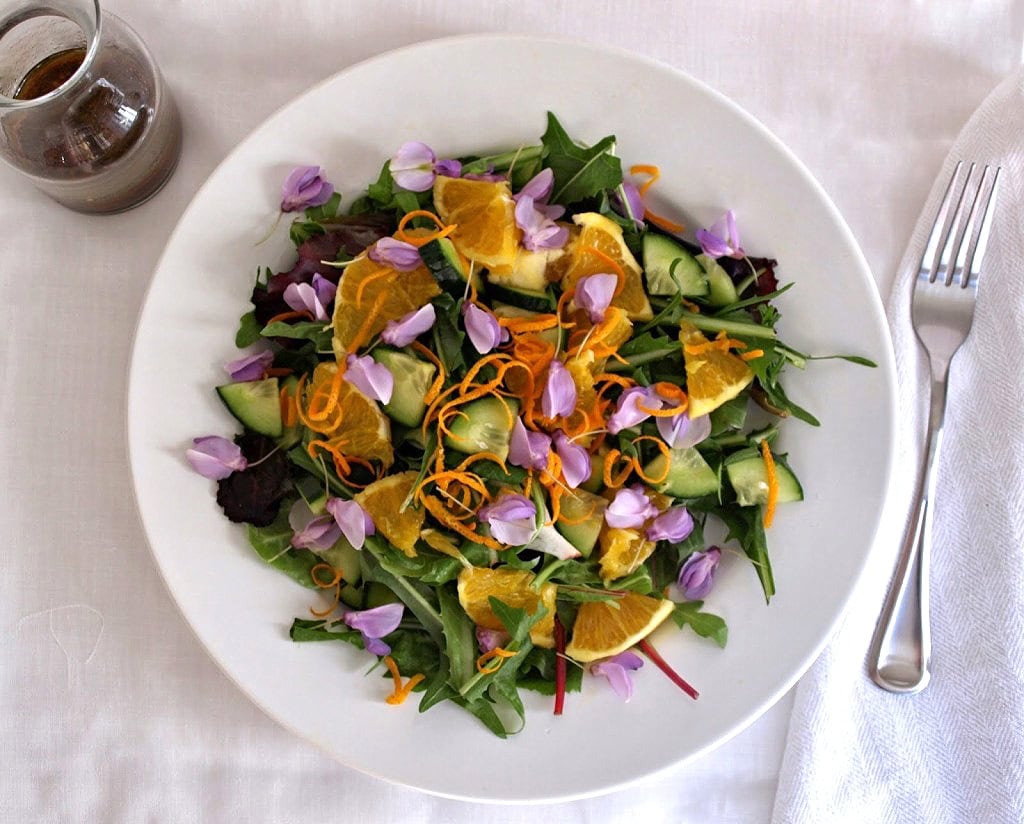
- Leaves: Young ones are less bitter—eat raw in salads, or sauté/steam like spinach. Older leaves can be blanched or cooked to mellow bitterness.
- Flowers: Sweet and colorful; use in salads, fritters, or make dandelion wine/jelly. Petals make a nice garnish.
- Roots: Roast and grind for a caffeine-free coffee alternative, or use in teas/soups for earthy flavor.
- Other ideas: Dandelion greens in soups, pesto, or with bacon dressing (a traditional favorite).
:max_bytes(150000):strip_icc()/eat-dandelions-9-edible-garden-weeds-final-1ccab7dfd2184dbcaeb4e6ddaaa84d87.png)
Ecological and Garden Benefits
Dandelions aren't just for humans—they support ecosystems:
- Pollinators: Early spring blooms provide nectar and pollen for bees, butterflies, hoverflies, and other insects when few other flowers are out. Birds eat seeds; some mammals graze leaves.
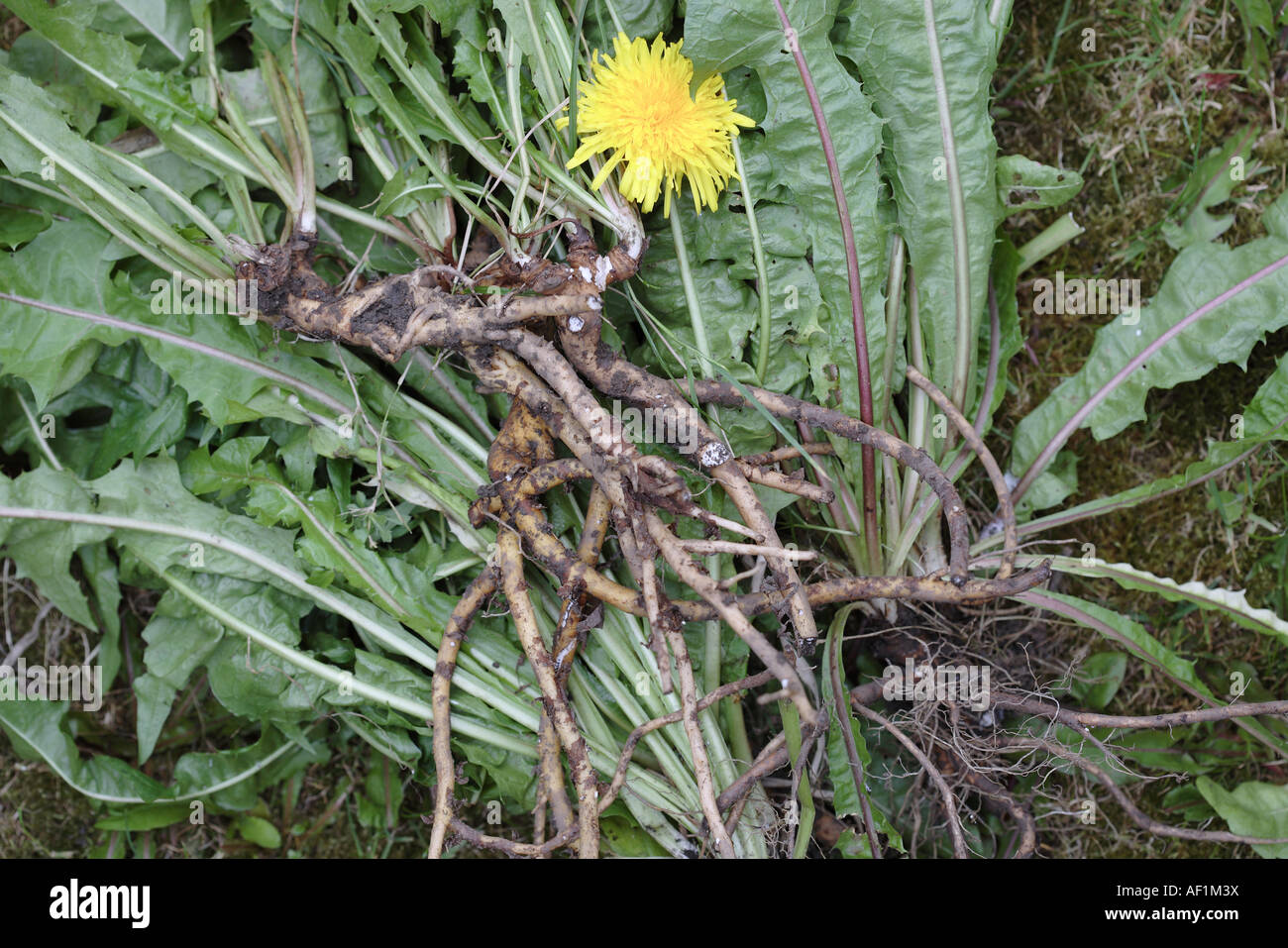
- Soil health: Deep taproots aerate compacted soil, reduce erosion, and "mine" nutrients (like calcium) from deep layers, making them available to shallower-rooted plants—acting like a natural fertilizer.
- They're resilient survivors that thrive in poor conditions, improving biodiversity in lawns and gardens.

Fun Facts and Folklore
- The name comes from French "dent de lion" (lion's tooth), referring to the jagged leaves.
- The fluffy seed heads (puffballs) were called "shepherd's clocks" because they open/close with the sun.
- Historically carried by settlers as a valued food/medicine plant; used in folk remedies for everything from warts to jaundice.
Dandelions are low-calorie, versatile, and free (if you forage safely). Next time you see them popping up, consider leaving a few for the bees or harvesting some for a nutrient boost instead of reaching for the weed killer. They're a great example of how "weeds" can be wonderful when appreciated. If you're new to eating them, start with young leaves in a mixed salad to ease into the slightly bitter taste.